Installations · London
Washing machine installation in London
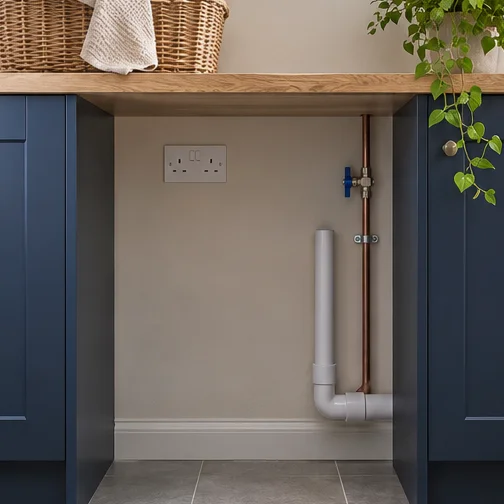
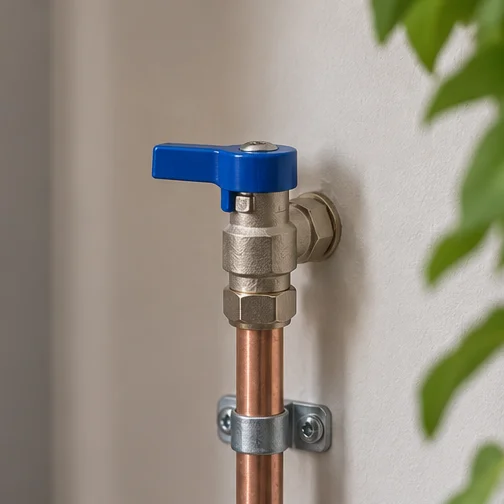
A new washing machine needs more than a gap between units. The water valve, waste connection and power point must remain usable when the machine is in its final position.
Measurement tool
Check the opening
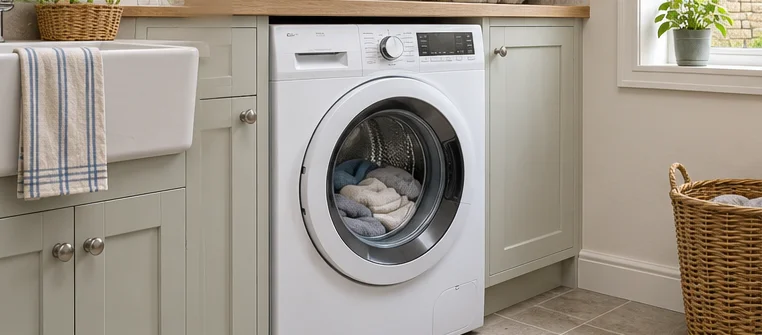
Measure the narrowest part of the opening and the widest part of the machine. Compare the remaining width with the manufacturer’s clearance requirements.

Visit checklist
What to have ready
What affects the price?
| Price factor | What to discuss |
|---|---|
| Valve or trap replacement | Ask how this affects the quoted labour, time on site and any additional visit before agreeing to the work. |
| Door fitting | Ask which items are included and how the price would change if a different component is needed. |
| Old appliance disconnection | Ask how this affects the quoted labour, time on site and any additional visit before agreeing to the work. |
Plan the installation
Prepare for delivery
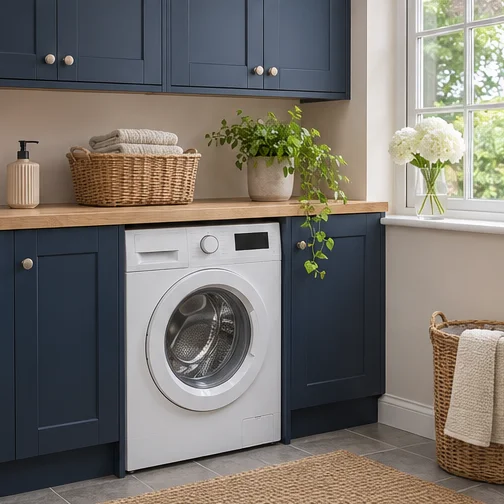
Measure the doorway, recess and the depth available behind the machine. For an integrated model, check the furniture door and hinge arrangement. Tell us if the old machine is still connected or if there is water in its drum.
Check filling and draining
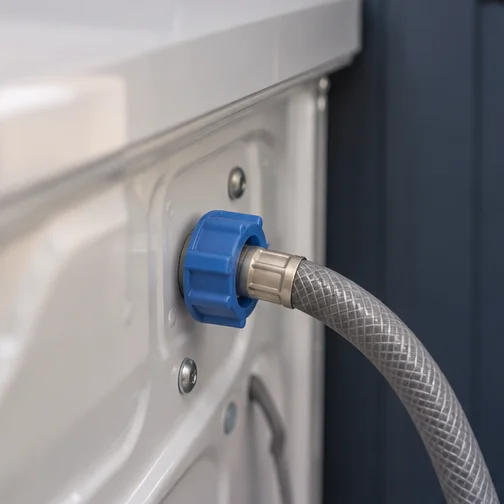
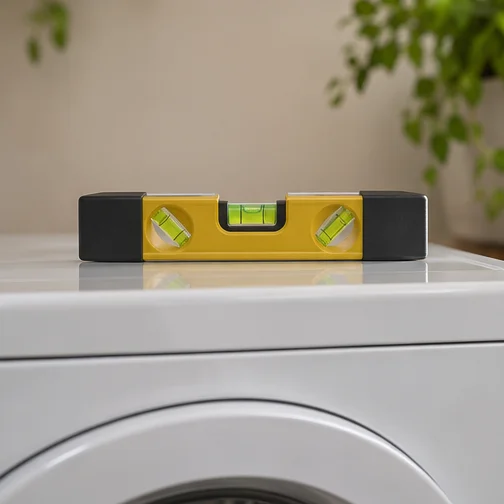
Transport restraints must be dealt with as directed by the manufacturer. The appliance should sit level, with hoses clear of crushing or kinks. The initial fill and drain are useful opportunities to check for drips and waste backup.
A replacement in a tight utility cupboard
Measure the actual appliance body and allow for the door, hoses and any projections behind the machine. A deeper replacement can prevent the cupboard door closing or leave a hose pressed flat when the appliance is pushed back. Check whether shelves above can remain in place during fitting.
Tell us if the old appliance failed while full of water. Removal then involves a different preparation from exchanging an empty machine. Agree who is dealing with disconnection, removal from the room and any final disposal.
Understanding the waste arrangement
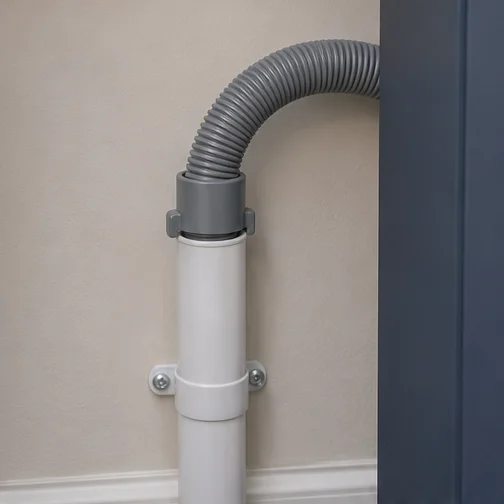
A washing machine discharges water under pump pressure. An existing sink may empty normally yet back up when the machine discharges into the same trap. Describe any previous gurgling, smells or water returning to the drum before the replacement is fitted.
The route of the hose should follow the appliance instructions and allow the machine to reach its final position without crushing the hose. An extension should not be assumed suitable just because its connections appear to fit. Check the manufacturer's limits for the chosen model.
Checking the installation during first use
Observe filling and drainage while the appliance is in position. A drip at the inlet can take time to appear, and a waste fitting can remain dry until the drain pump starts. The first check should therefore cover more than switching the control panel on.
Ask where the supply valve is and how to reach it without moving the machine. If vibration is noticed, tell us whether it occurs during low-speed movement or spin and whether the appliance moves relative to the floor. Persistent vibration can have several causes.
Questions about washing machine installation
Can an old inlet hose be reused?
Follow the new appliance instructions and check the supplied hose and existing valve before deciding.
What if the water valve will not turn?
Tell us before attendance. A seized valve may need separate work and isolation further upstream.
Why does the machine move during spin?
Transport restraints, levelling and floor condition can all matter. A fault inside the appliance is a different repair.
Can the waste hose share a sink trap?
The trap needs a suitable connection and the hose must be arranged as specified by the manufacturer.
Will an integrated door fit the new machine?
Compare hinge positions and fitting instructions. A matching appliance width alone does not establish compatibility.
Should the new washer’s transit bolts be kept after installation?
Check the model instructions. Keeping the specified transit fittings with the manual makes them easier to find if the machine needs to be moved later.
Customer reviews
Fanatic Plumbers’ company-wide rating